Walking Bankalar Street
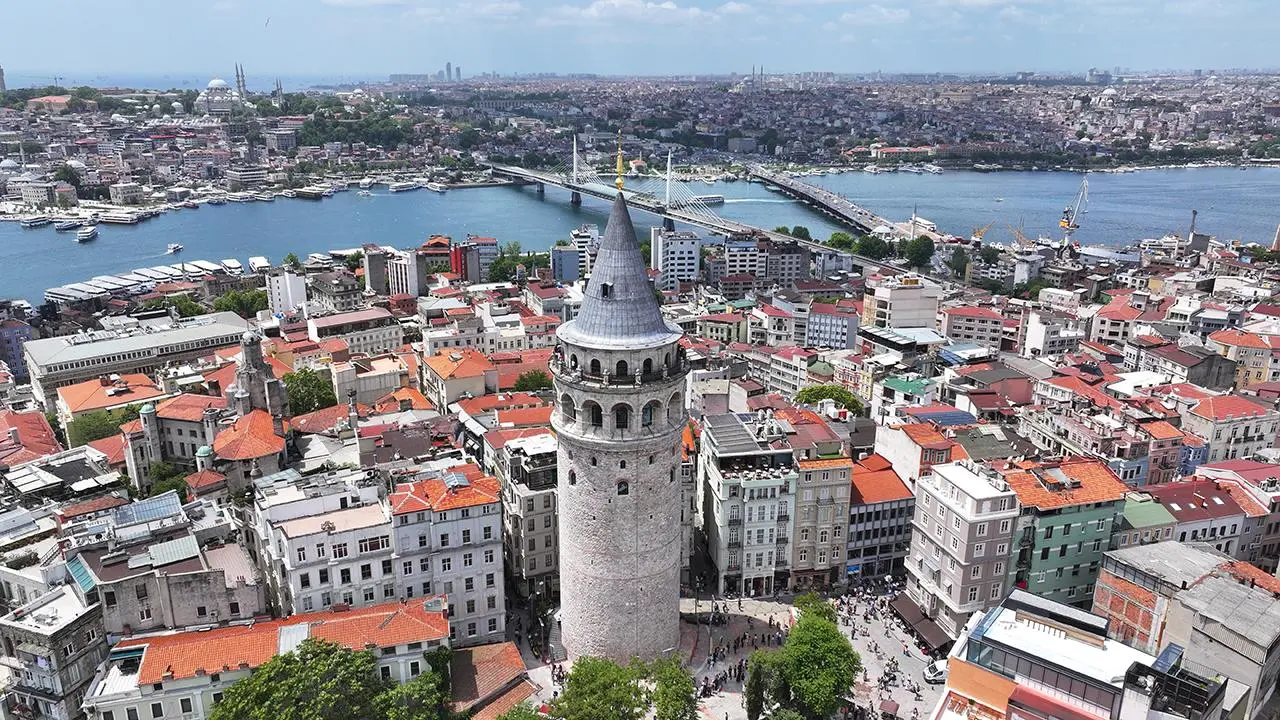
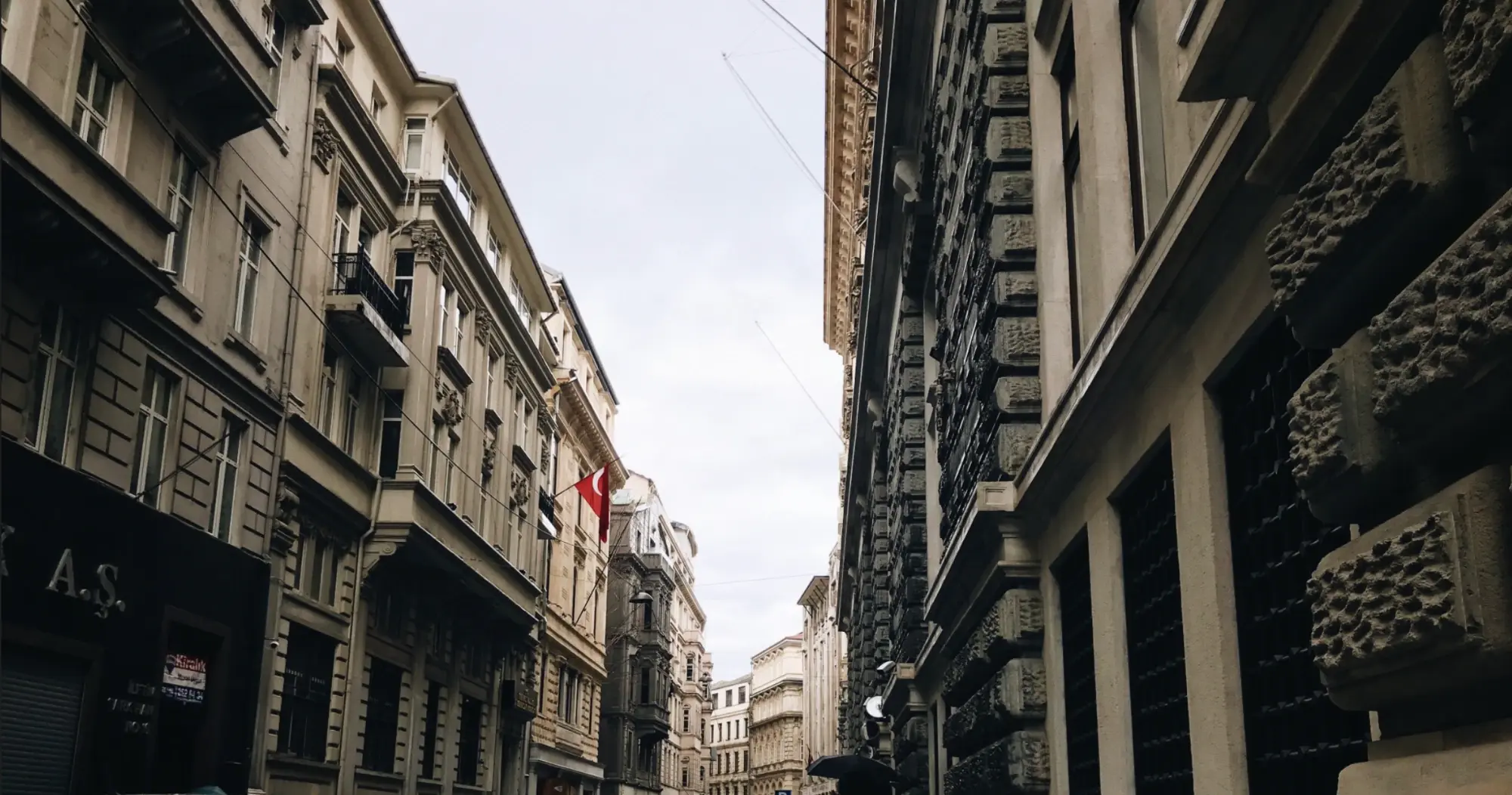
Running a few hundred metres down from the slope of Galata to Karaköy, Bankalar Street was the heart of the financial world in the last decades of the Ottoman Empire. Banks, insurance companies and the stock exchange fitted into this narrow street; institutions keen to show their strength on their façades lined up some of Istanbul's most monumental office buildings side by side.
The route starts at the upper end of the street on the Şişhane side and finishes at the lower end in Karaköy. It is a short but dense walk; almost every building is worth a pause.
The route at a glance
- The upper end: from Voyvoda to Bankalar
- The Ottoman Bank and SALT Galata
- The Camondo Stairs
- Generali Han
- Ankara Han (Lorando Han)
- The former Sümerbank building
- Union Han
- Minerva Han
A little context first
The street's official name is still Voyvoda Street. In the second half of the 19th century, as modern banking developed in the Ottoman Empire, local and foreign banks, insurers and merchants gathered on this street in Galata, and people began calling it "Bankalar Caddesi", the Street of Banks.
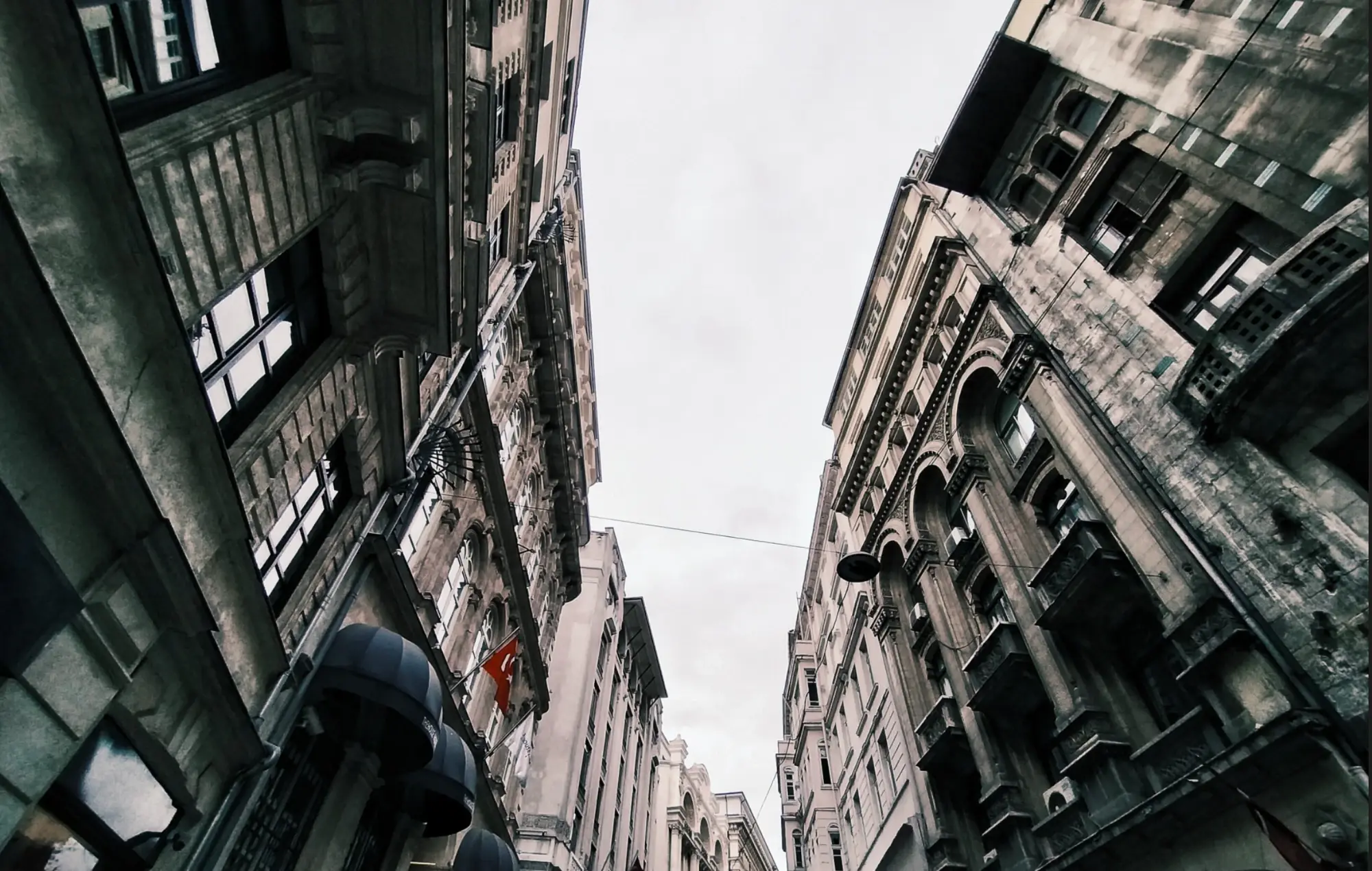
Most of the surviving buildings were built between the 1860s and the 1910s by the leading Levantine architects of the day. In recent years many have been restored and converted into hotels, cultural centres or university buildings.
STOP 01The upper end: from Voyvoda to Bankalar
Start at the upper end of the street on the Şişhane side. This stretch is lined with more modestly scaled hans from the early 20th century; Hezaren Han is one of them. With their bay windows, decorated window heads and names above the doors, these buildings represent the street's everyday commercial face alongside the great banks further down.
STOP 02The Ottoman Bank and SALT Galata
The symbol of the street is the Ottoman Bank headquarters, designed by Alexandre Vallaury. Designed in 1890 and completed in 1892, the building has two different faces: the façade facing Bankalar Street is neoclassical, while the rear façade facing Galata carries echoes of Ottoman architecture. Before moving here, the bank operated from the nearby Saint Pierre Han.
Part of the building is now used as SALT Galata, with a library, archive, exhibition spaces and the Ottoman Bank Museum. It is worth going inside to see the central atrium and the research library.
STOP 03The Camondo Stairs
Right beside SALT Galata begin the Camondo Stairs, climbing up to Galata. Built between 1870 and 1880 by the Camondo banking family, the stairs gave a shortcut between the family's homes above and their offices on the street. We tell the story of the stairs and their surroundings in our Galata walk.
STOP 04Generali Han
After the stairs we move on to the street's insurance history. Generali Han was designed by Giulio Mongeri in 1909 for the Italian insurer Assicurazioni Generali. Mongeri was the architect of several other buildings on the same street.
STOP 05Ankara Han (Lorando Han)
The building known today as Ankara Han was originally Lorando Han. It was built in 1912 for the bank of the Levantine Lorando family, again to designs by Giulio Mongeri. With its monumental façade, it is one of the most impressive buildings on the street.
STOP 06The former Sümerbank building
One of the oldest bank buildings on the street was designed in 1867 by the Italian architect Antoine Tedeschi. Used for many years in the Republican period by Sümerbank, it was converted into a hotel through a restoration by the architect Han Tümertekin and operates as one today.
STOP 07Union Han
Union Han, on the lower part of the street, was built between 1905 and 1911 for the French insurance company Union. Its architects were Edoardo De Nari and Giulio Mongeri. After standing empty for a long time, it was restored and converted into a hotel, with the lettering at the entrance and the façade decoration carefully preserved.
STOP 08Minerva Han
The route ends at Minerva Han, on the corner where Bankalar Street meets Yüksek Kaldırım. It was built between 1911 and 1913 by the architect Vasilios Kouremenos for the Bank of Athens. The statue of Minerva, goddess of wisdom, above the entrance gives the building its name; there are child figures on the corner balconies.
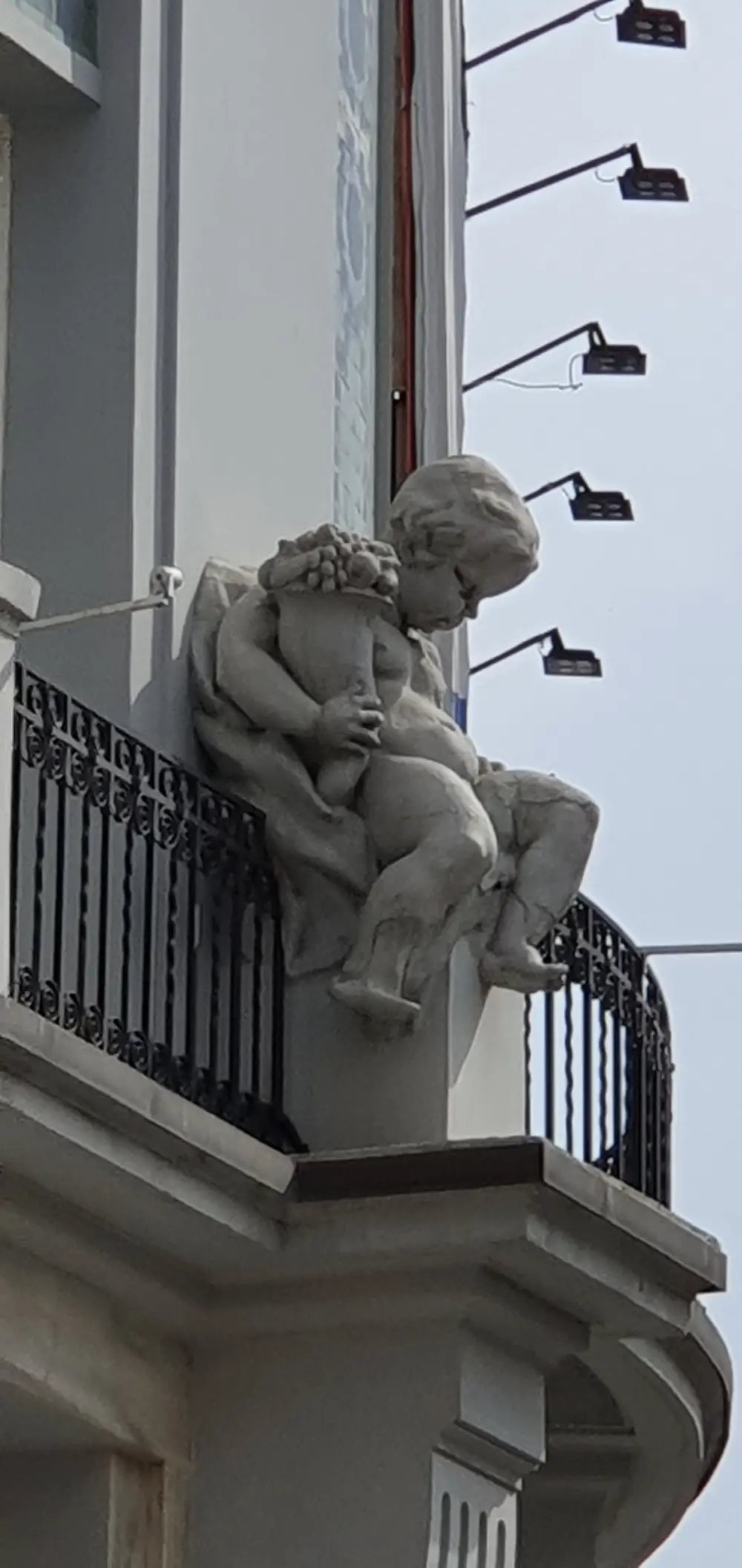
Since 1998 the building has served as Sabancı University's city-centre campus. The old bank vault in the basement has hosted exhibitions as Kasa Gallery since 1999. From here Karaköy is a few steps away, and you can continue with our Karaköy walk.
Check SALT Galata's and Kasa Gallery's opening days and hours before you go. The street is narrow and open to traffic; use the opposite pavement when photographing façades. Business traffic is heavy all day on weekdays; the quietest time is a weekend morning.
Investing on Bankalar Street
The buildings of Bankalar Street are mostly single-owner, monumental office buildings. Over the past fifteen years many of them have become hotels, cultural centres and educational buildings; the street's character has shifted from a financial centre towards a hospitality and culture axis.
For buildings of this scale, value is determined by the state of restoration, permitted use and conservation board decisions. The area lies within Galata's urban and archaeological conservation zones. The revival of Galataport and Karaköy supports commercial demand on the street.
For commercial property and prices in the area see our Karaköy and Galata area guides. Looking for a building or commercial property? Browse our portfolio or get in touch.