Walking Çukurcuma
In the streets that run down from behind Galatasaray High School towards Tophane hides Istanbul's best-loved antiques quarter: Çukurcuma. With restored Levantine apartment buildings, second-hand shops and traces of two famous novels, Çukurcuma rewards slow walking and window-gazing.
This route starts on Faik Paşa Street, descends Çukurcuma Street with its antique dealers, stops at the Museum of Innocence, then climbs Bostanbaşı Street and ends on French Street. Because it borders TomTom and Cihangir, it is easy to combine with either walk.
The route at a glance
- Faik Paşa Street
- Çukurcuma Mosque
- Çukurcuma Street: an open-air antique market
- Çukurcuma Hamam
- The Museum of Innocence
- Bostanbaşı Street and the house of Tutunamayanlar
- French Street
A little context first
Çukurcuma is not a single official neighbourhood; it is a district defined by everyday usage that also takes in parts of Firuzağa and Kuloğlu. The most common story about its name is that Friday prayers were held in this hollow ("çukur") during the conquest of Istanbul. It is not documented, but it is the tale that always comes with the name.
As Pera expanded in the late 19th century, this slope also filled with apartment buildings commissioned by Levantine and non-Muslim families. In the second half of the 20th century, antique dealers moved into the empty shops and Çukurcuma took on its present identity.
STOP 01Faik Paşa Street
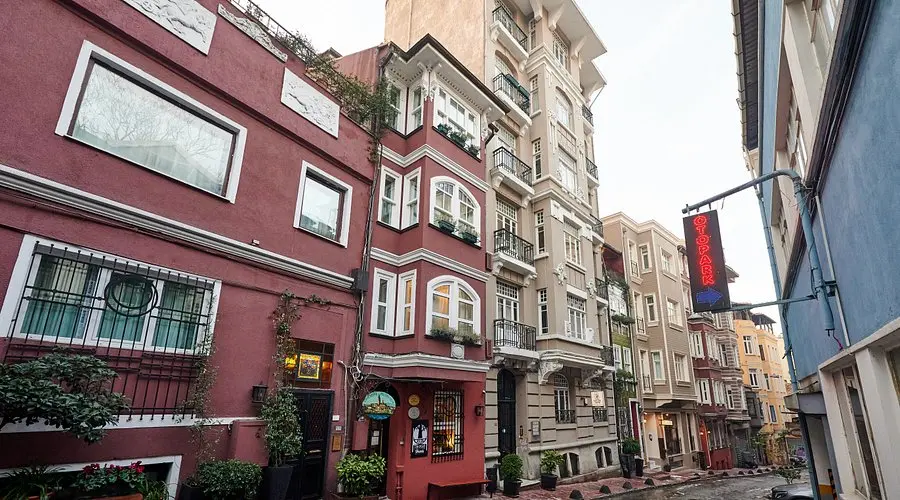
Start on Faik Paşa Street, considered Çukurcuma's most elegant axis. It is named after Francesco Della Sudda, a pharmacist of Italian origin who lived here in the 19th century. Awarded the title of pasha for his services to the Ottoman state, Della Sudda was known in Istanbul as Faik Pasha.
The street is lined with apartment buildings from the late 19th and early 20th centuries. Some have Art Nouveau decoration of flowers and tendrils on their façades, others have human-face reliefs above the windows, bay windows and wrought-iron balconies. Reading the building names above the doors as you walk gives small clues about who built the neighbourhood.
STOP 02Çukurcuma Mosque
At the end of Faik Paşa, on the edge of the small square that gives the district its name, stands Çukurcuma Mosque. Also known as the Muhyiddin Molla Fenari Mosque, it dates from the 16th century. Without a dome, with a timber roof and a single minaret, it is a typical example of Beyoğlu's small neighbourhood mosques.
STOP 03Çukurcuma Street: an open-air antique market
From the mosque, turn into Çukurcuma Street. This is Istanbul's centre for antiques and second-hand goods: old furniture, lamps, records, postcards, ceramics and shops that seem to sell almost everything, side by side. Some shops stretch over several floors; it is easy to walk through a small door and lose yourself inside.
Bargaining is fine, but be polite. For large pieces, ask whether they ship abroad and what documents are needed for items that count as antiques.
STOP 04Çukurcuma Hamam
Walking down the street you will pass the historic Çukurcuma Hamam. Dating from the first half of the 19th century, the bathhouse is back in use after a long restoration. It is one of the buildings that recall the neighbourhood's everyday life before the antique dealers arrived.
STOP 05The Museum of Innocence
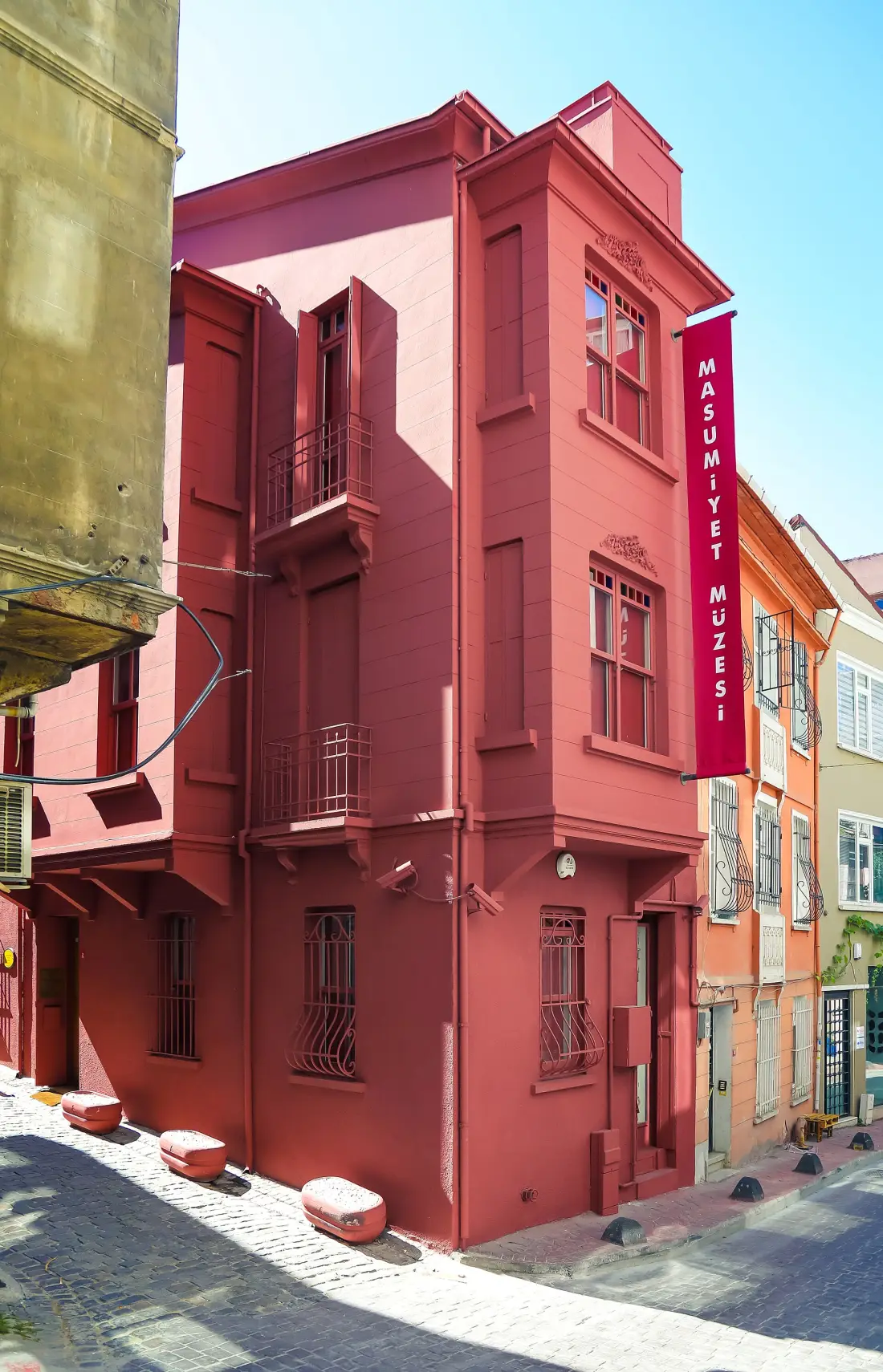
The dark red wooden building on the corner of Dalgıç Çıkmazı is Çukurcuma's most visited address: the Museum of Innocence. Orhan Pamuk designed a museum alongside his 2008 novel The Museum of Innocence and opened it in this building in 2012.
The museum displays objects supposedly belonging to the novel's characters together with items from everyday Istanbul life from the 1950s to the 1980s. It won the European Museum of the Year Award in 2014.
STOP 06Bostanbaşı Street and the house of Tutunamayanlar
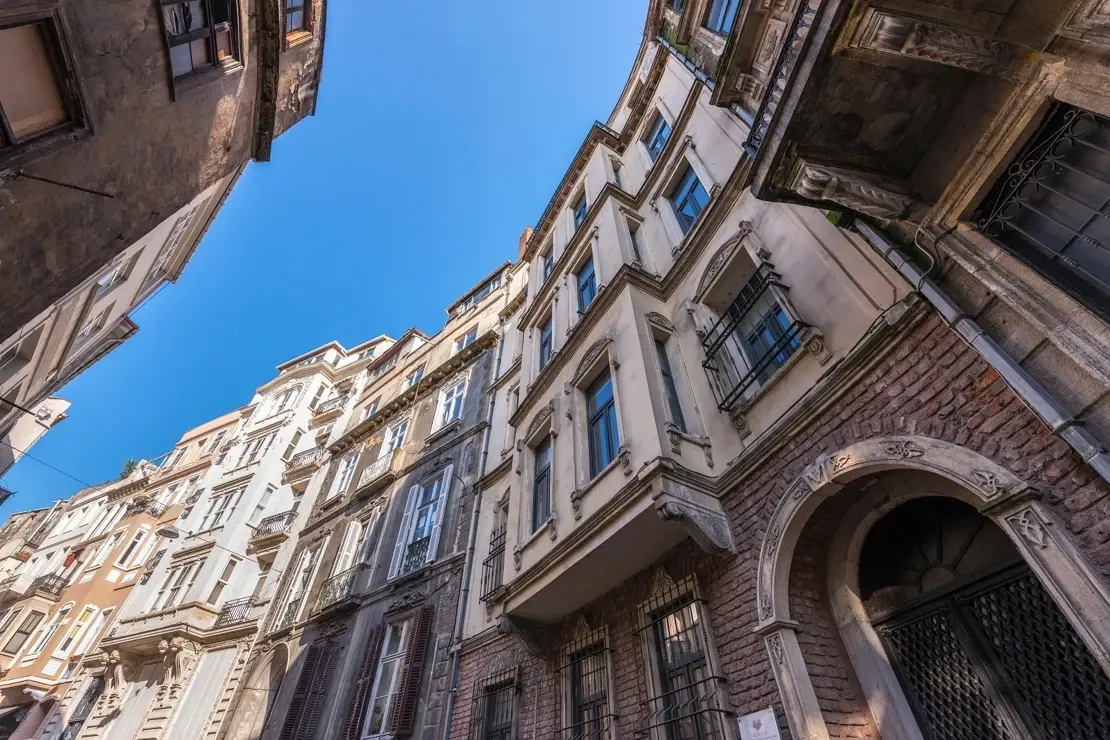
At the bottom of the street, before reaching Boğazkesen, turn into Bostanbaşı Street and walk uphill towards Galatasaray. This street too is full of hardware stores, small galleries and historic apartment buildings; the bay windows and monumental entrances of some are among Çukurcuma's most striking façades.
Along the way, a plaque on an apartment building stops literature lovers: it records that Oğuz Atay wrote Tutunamayanlar (The Disconnected), one of the landmark novels of modern Turkish literature, in this building. The plaque was put up as part of a project marking the homes of writers in Istanbul.
STOP 07French Street
At the top of the slope, just below Galatasaray High School, begins the stepped Cezayir Street. Revived in the early 2000s with pastel-painted façades, restaurants and cafés, it has since also been known as French Street.
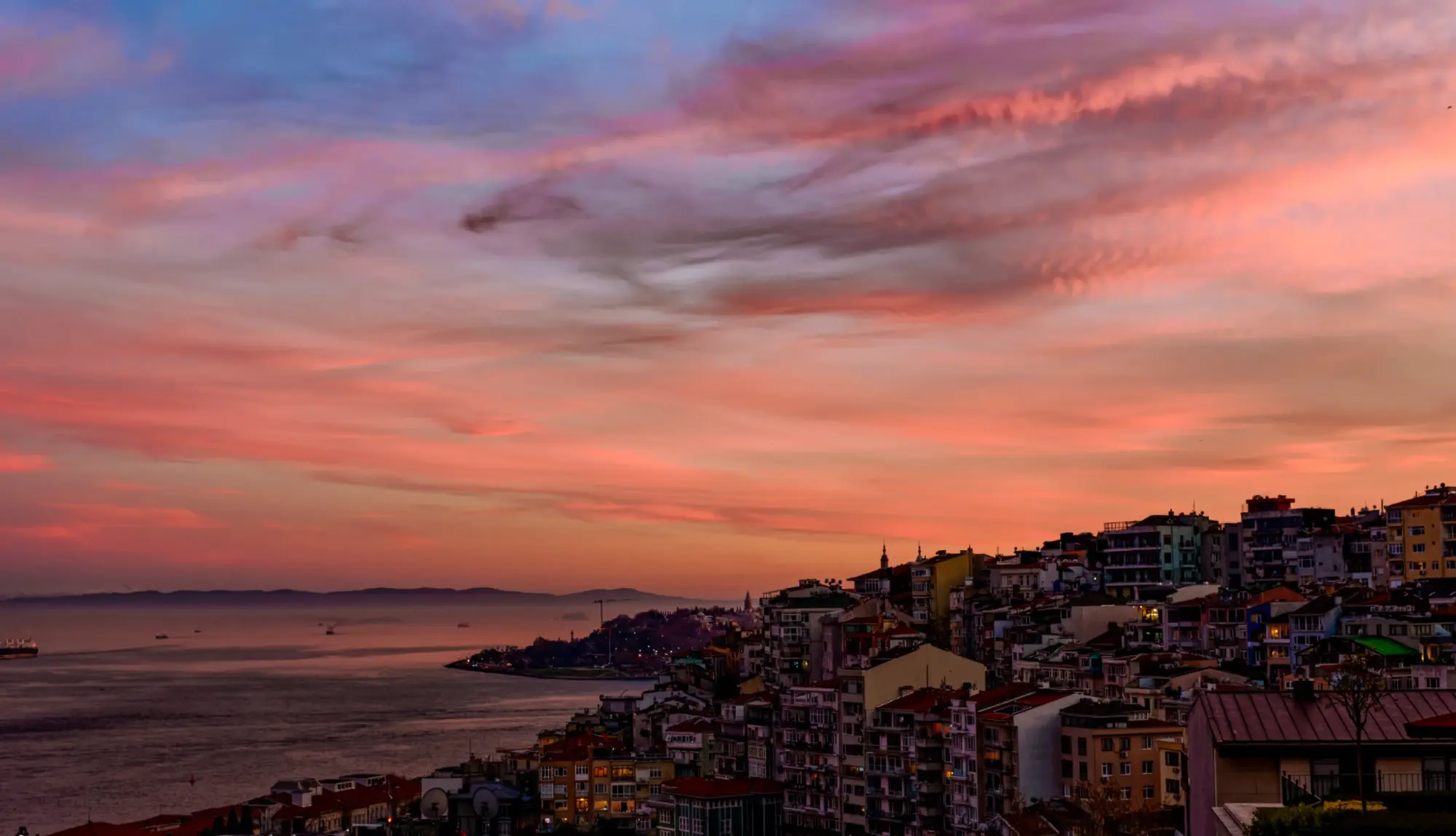
Pause at the top of the steps and look back: Çukurcuma's rooftops tumble down towards Tophane. You can carry on up to Galatasaray and join İstiklal, or cross over to TomTom and extend the walk.
Most antique shops are closed on Sundays and early in the morning; if you want to browse, choose a weekday afternoon. Check the Museum of Innocence's opening days and hours before you go. The streets are narrow and in places have no pavement; watch out for traffic.
Living and investing in Çukurcuma
Çukurcuma has one of Beyoğlu's most characterful housing stocks: historic apartment buildings, mostly four or five storeys, with high ceilings and preserved façades. Prices per square metre in restored buildings are clearly higher than in buildings awaiting restoration; two buildings on the same street can differ greatly.
The district lies within Beyoğlu's urban conservation zone; any work on the façade, roof or structure requires approval from the heritage conservation board. When buying a whole building, the cost and duration of restoration must be factored in. Walking distance to Galatasaray and İstiklal keeps tenant demand strong.
For current prices and a pre-purchase checklist see our Çukurcuma area guide, and for how prices are formed in historic buildings read reading prices in historic masonry buildings. Looking for a property in Çukurcuma? Browse our portfolio or get in touch.