Walking Nişantaşı and Teşvikiye
Nişantaşı is today one of Istanbul's best-known shopping and residential districts. But behind the shop windows lies the story of an empty plain where sultans practised archery becoming a planned neighbourhood in the 19th century: record stones, pashas' mansions, the first apartment buildings of the Republic, and the writers and painters who lived in them.
This route starts on Vali Konağı Avenue, follows Teşvikiye Avenue to the mosque, then descends to Maçka and ends in front of the Armoury. The way runs gently downhill and is paved throughout.
The route at a glance
- The record stones and the district's name
- The Vedat Tek House
- Teşvikiye Avenue and the Pamuk Apartment
- The Grand Vizier Sait Pasha Mansion
- Teşvikiye Mosque and the stones in its courtyard
- Maçka Palas
- Fahrelnissa Zeid's Maçka
- The Maçka Armoury and the Abdülhamid Fountain
A little context first
Until the mid-19th century this area was a wide plain outside the city. As at Okmeydanı, sultans practised archery here and had commemorative stones erected where record-breaking arrows landed. People called these stones "nişan taşı", target or marker stones, and the district took its name from them.
Under Sultan Abdülmecid the land was opened for settlement and people were encouraged to move here; the name of the new neighbourhood and its mosque, Teşvikiye, comes from this "encouragement". In the early 20th century the mansions gradually gave way to some of Istanbul's first modern apartment buildings.
STOP 01The record stones and the district's name
Several of these stones still stand in different corners of the district. Some are on the edge of the pavement, easily missed between traffic and shop windows; the Ottoman inscriptions on them record the sultan who made the shot and the date. Keep an eye out for them as you walk; we will see the two best preserved in the courtyard of Teşvikiye Mosque.
STOP 02The Vedat Tek House
The stone house on Vali Konağı Avenue was built in 1913–1914 by Vedat Tek, one of the pioneers of the First National Architecture movement, for his own family. The architect of the Great Post Office in Sirkeci, Vedat Tek combined motifs drawn from Ottoman architecture with a modern residential plan in this house.
STOP 03Teşvikiye Avenue and the Pamuk Apartment
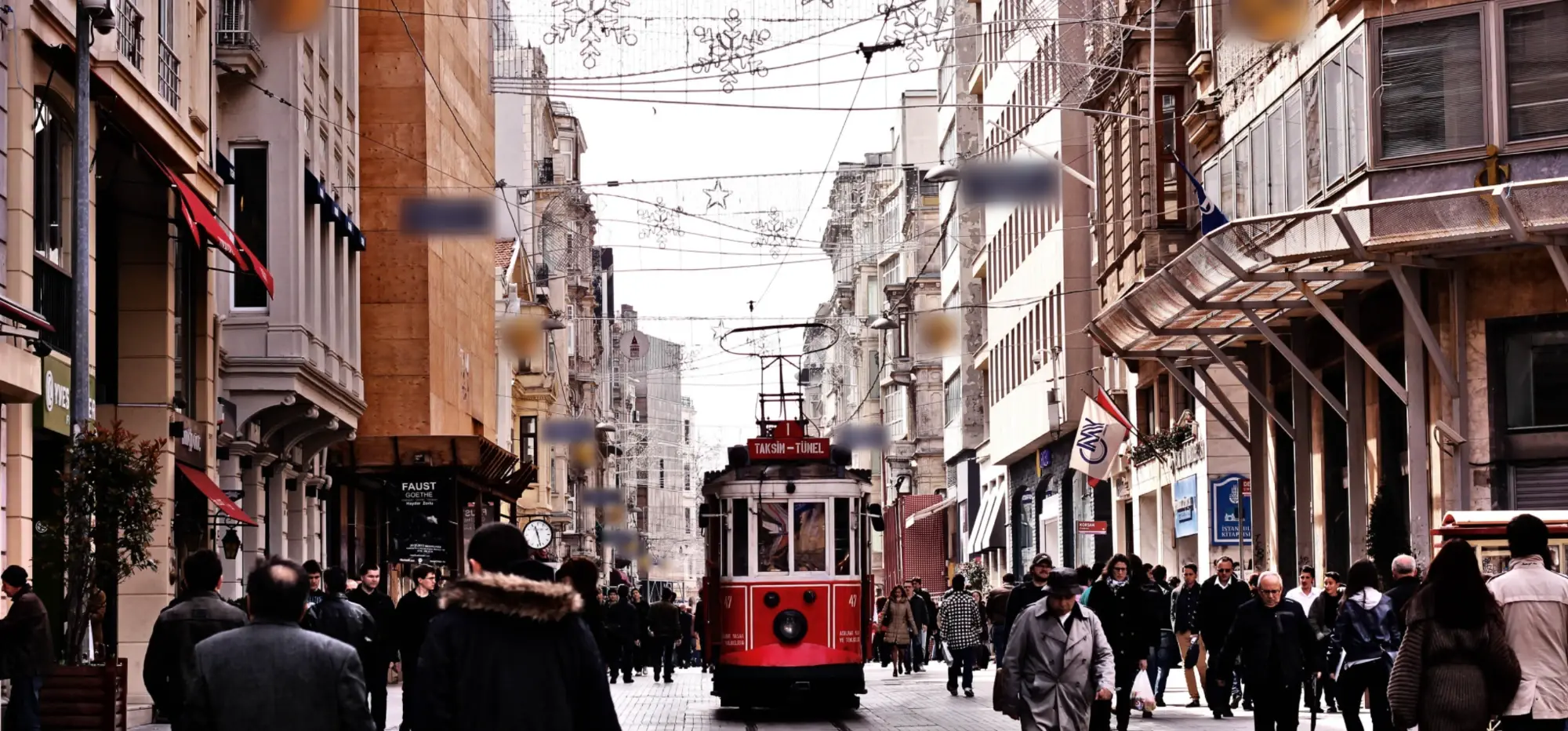
From the corner where Vali Konağı, Rumeli and Teşvikiye avenues meet, turn into Teşvikiye Avenue. The Pamuk Apartment on this avenue is the family building where Orhan Pamuk spent his childhood. The writer describes the building and its surroundings in his memoir Istanbul: Memories and the City; traces of it also appear in the "Şehrikalp Apartment" of The Black Book.
Apartment buildings from the 1900s to the 1930s line the avenue. Their balconies, entrance doors and name inscriptions let you follow, step by step, Nişantaşı's transition from mansions to apartments.
STOP 04The Grand Vizier Sait Pasha Mansion
The large mansion on Teşvikiye Avenue belonged to Sait Pasha, one of the grand viziers of the reign of Abdülhamid II. Badly damaged in a fire in 1988, it was restored and today houses the Istanbul Fashion Academy. It is one of the rare surviving examples of Nişantaşı's pasha mansions.
STOP 05Teşvikiye Mosque and the stones in its courtyard
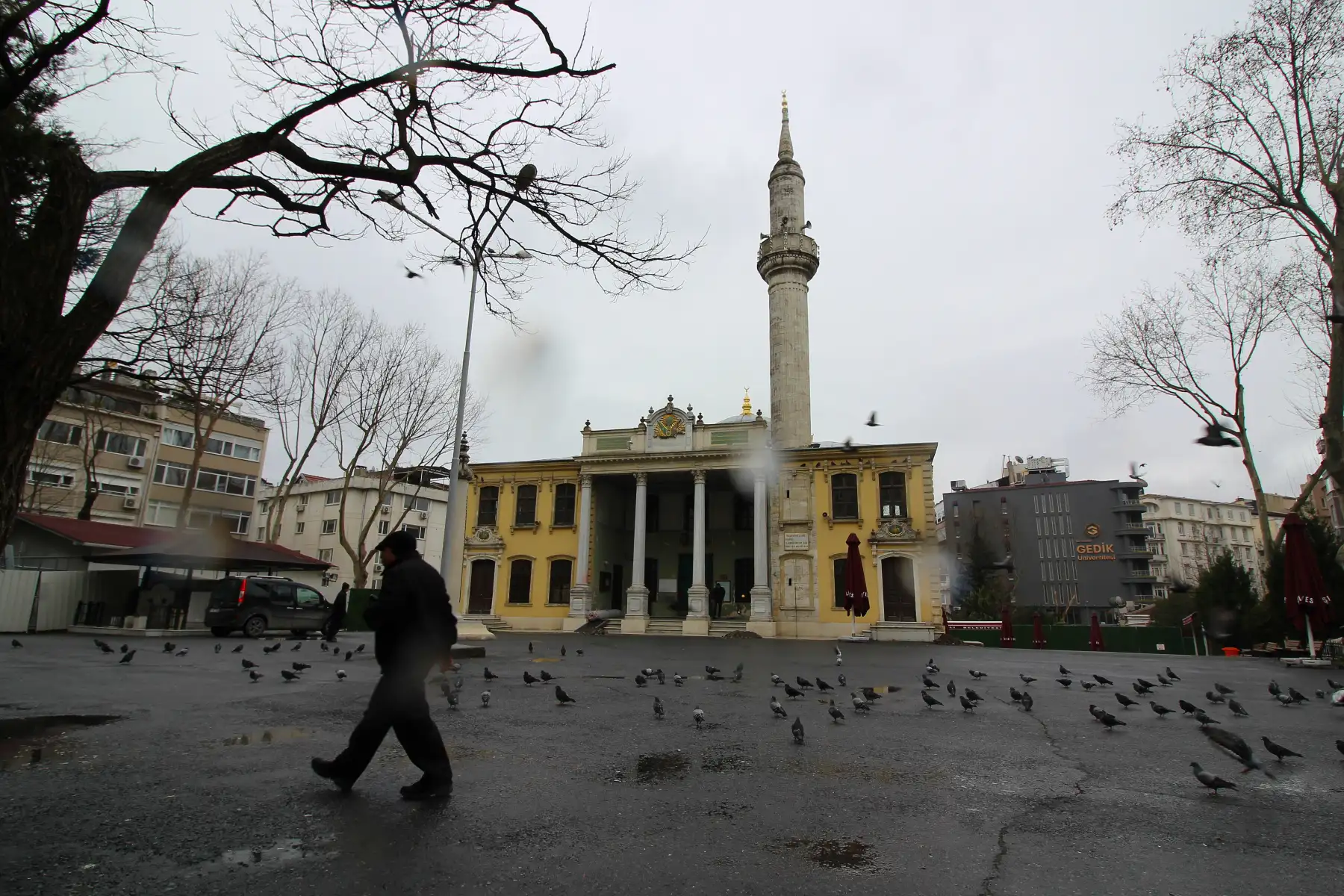
The heart of the district is Teşvikiye Mosque. In 1854 Sultan Abdülmecid had today's building erected in place of the mosque built by Selim III in 1794–1795. The monumental columned entrance on the façade is the mosque's portico and royal pavilion; the main prayer hall lies behind it. After a comprehensive restoration that began in 2018, the mosque reopened for worship in April 2021.
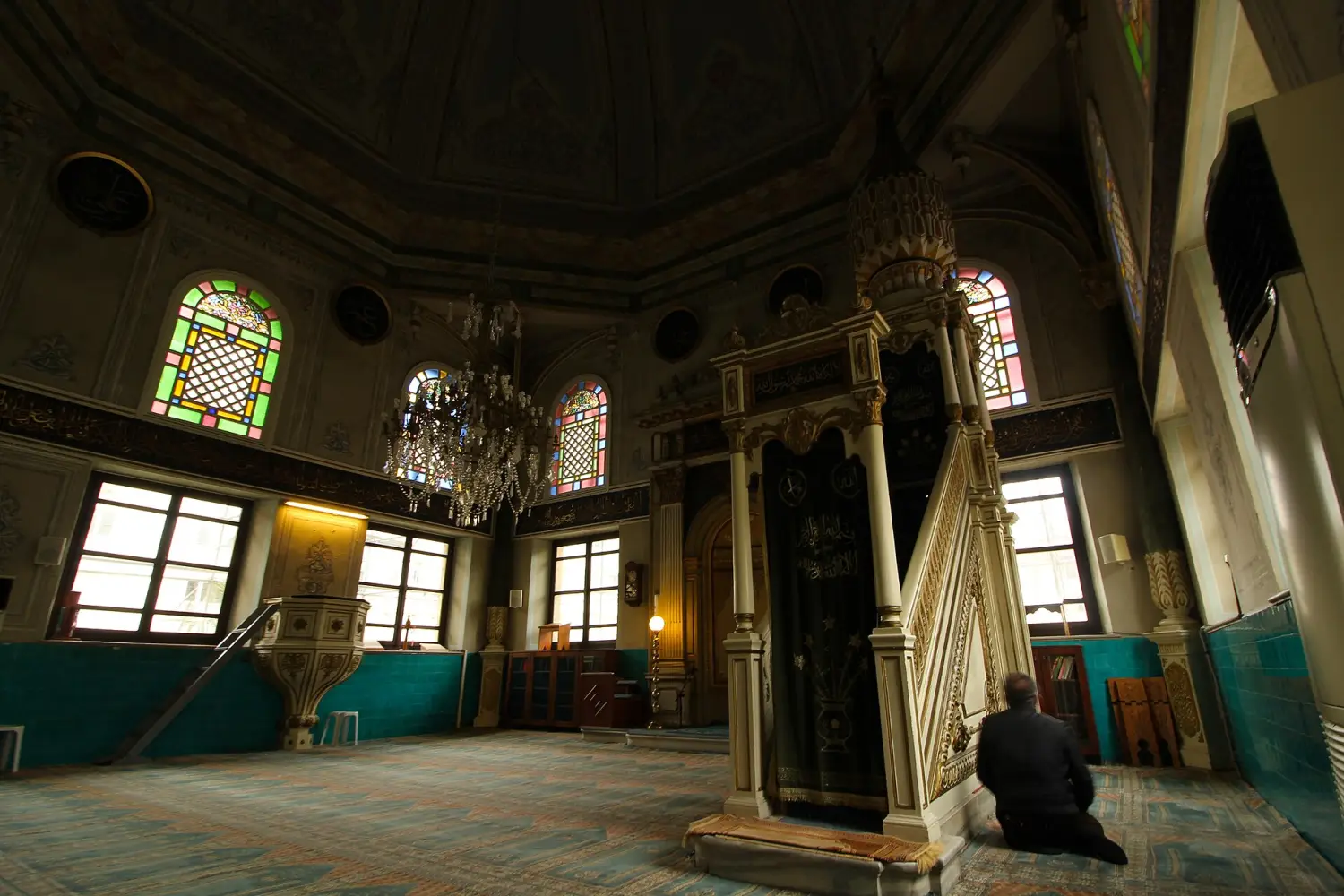
Two record stones are preserved in the mosque's courtyard. One was erected for a record shot by Selim III in 1791 and carries an inscription of eleven couplets; the other belongs to Mahmud II.
STOP 06Maçka Palas
From the mosque, walk towards Maçka. The large building on the corner is Maçka Palas, built between 1922 and 1926 by the Italian architect Giulio Mongeri. One of the most prestigious apartment buildings of its day, it is now a hotel.
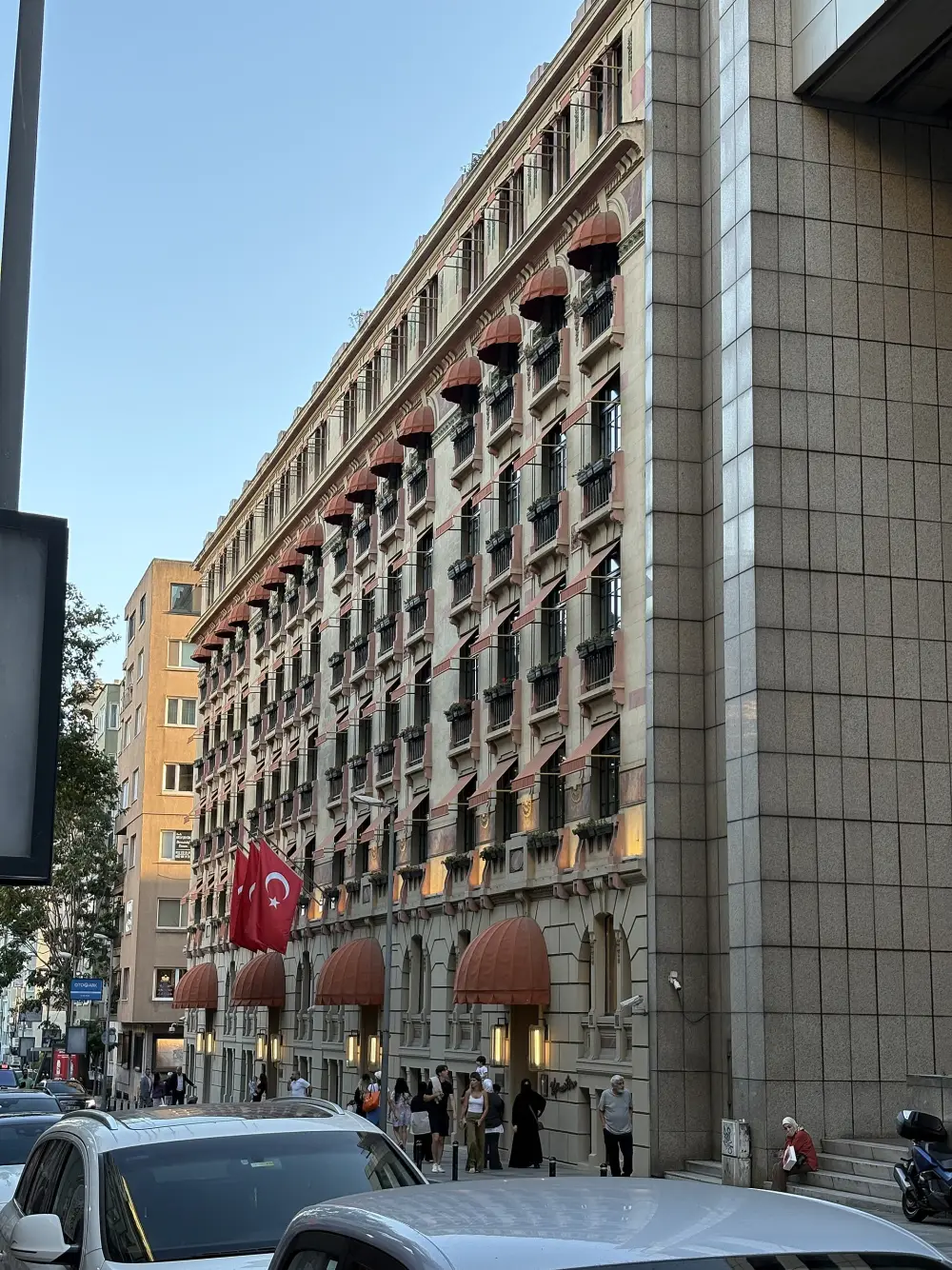
Abdülhak Hâmid Tarhan, known as the "Great Poet", spent the last eleven years of his life with his wife in a flat in this building and died here in April 1937. Writers of the period such as Halit Ziya and Cenap Şahabettin used to visit him here.
STOP 07Fahrelnissa Zeid's Maçka
Maçka's apartment buildings also hold an important memory of modern Turkish art. Fahrelnissa Zeid, one of the pioneers of abstract painting in Turkey, cleared the reception rooms of her Maçka flat in the mid-1940s and held her first solo exhibition there.
STOP 08The Maçka Armoury and the Abdülhamid Fountain
At the end of the route we descend into the Maçka valley. The long stone building on the edge of the valley is the Maçka Armoury (Silahhane), built in the 1870s under Sultan Abdülaziz. It has been used by Istanbul Technical University since the 1950s.
The marble fountain opposite the armoury was built by Abdülhamid II in Tophane in 1901. It was dismantled during road works in the 1950s and moved here. Next to it is the Maçka–Taşkışla cable car, opened in 1993 as Istanbul's first cable car line; a short ride over Maçka Park is a fine way to end the walk.
Nişantaşı is very crowded on weekend afternoons; weekday mornings are best for looking at the buildings. Visit Teşvikiye Mosque outside prayer times and in appropriate dress. Maçka Park is a good place to rest after the walk; check the cable car's operating hours in advance.
Living and investing in Nişantaşı
Nişantaşı and Teşvikiye are among the residential areas with the highest prices per square metre in Istanbul. Demand is driven by the central location, walkable streets, schools, hospitals and a prestigious stock of apartment buildings from the early Republican period.
In older buildings, ceiling height, façade and floor plan noticeably affect price; lifts, parking and earthquake resilience are the questions buyers ask most often. On the rental side, professionals and foreign employees create steady demand.
For prices in the area see our Şişli and Nişantaşı area guide. Looking for a property in Nişantaşı? Browse our portfolio or get in touch. Buying as a foreign national? See the title deed process for foreigners and citizenship by investment.